A Reflection By Rabbi Gersh Lazarow
As Chanukah approaches, I’ve been sitting with a mix of emotions that I know many in our community are feeling as well. This season invites us to pay attention to the light — to the sparks of courage, resilience and quiet hope that have carried our people through uncertain times — but it also asks us to notice what threatens to dim that light, and to respond with clarity and compassion.
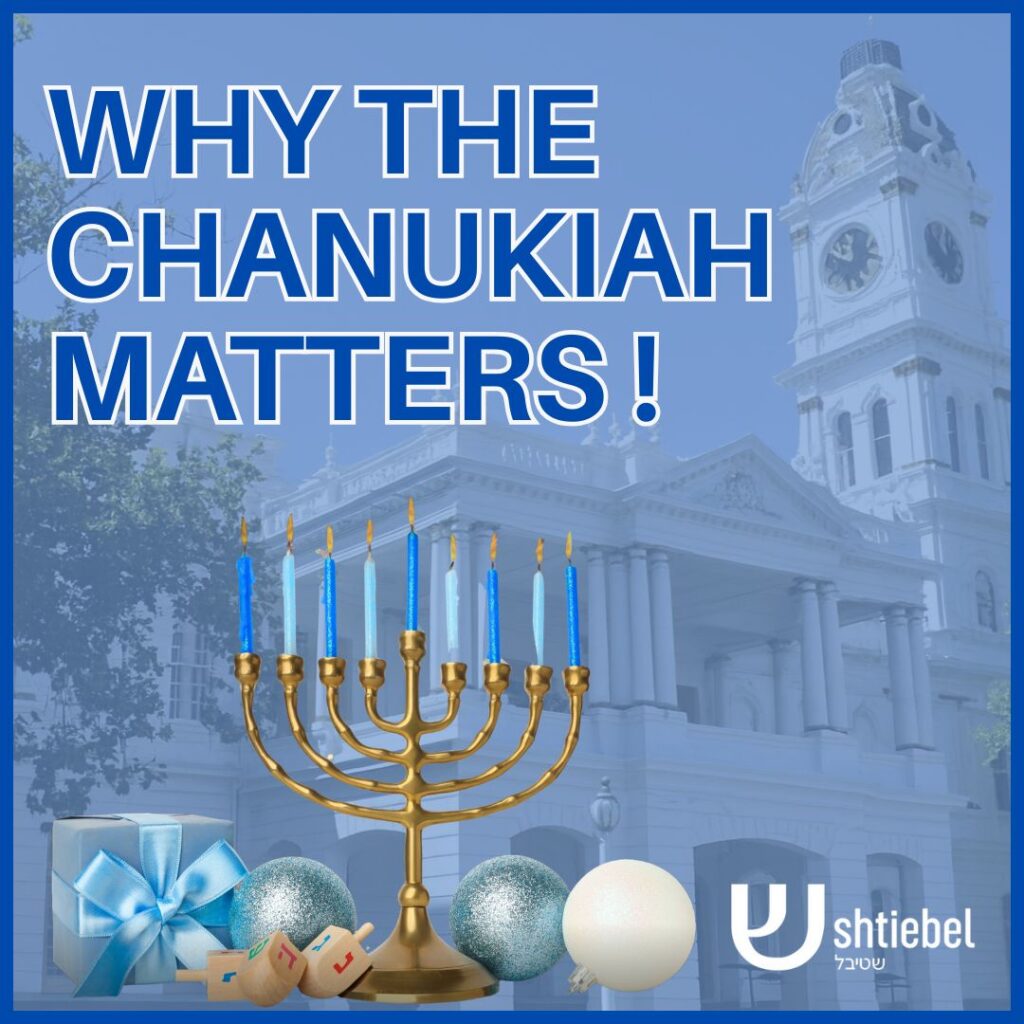
On Monday night, the City of Stonnington met to consider a request for a public chanukiah outside Malvern Town Hall. For those of us who gathered there over the High Holy Days — who prayed, sang and reflected in that beautiful civic space — news of the decision to defer approval felt particularly painful. Malvern Town Hall was a place where our community felt safe, welcomed and held with dignity. Many of our members live within Stonnington, and that building has become part of our spiritual story.
Yesterday morning, I wrote an open letter from Shtiebel to all councillors — not in anger, but in honesty about the disappointment many were feeling, and with gratitude for the hospitality we experienced only weeks ago. I reminded them that a chanukiah is not a political symbol nor a request for privilege; it is a simple expression of belonging, a quiet affirmation that Jewish life has a place in the public square.
To their credit, all three councillors who spoke in support of the chanukiah wrote back with warmth and appreciation for the respectful tone we offered on behalf of our community. They assured us the matter is far from settled and will be reconsidered at a special meeting next week.
Chanukah itself offers a powerful lens for this moment. It tells two intertwined stories: one of courage in the face of forces that sought to diminish Jewish identity, and another of spirit, rededication and the belief that even a small flame can shine further than reason suggests. Both stories speak to us now.
A public chanukiah beside the Christmas tree would be a modest gesture, but a deeply meaningful one. It would signal that the city sees us, that our festivals and presence matter, and that civic spaces can honour multiple traditions without contradiction. Symbols need not compete; held with care, they illuminate one another.
In the open letter, I wrote:
“Our civic spaces tell a story about who we are and who we welcome.
A chanukiah beside the Christmas tree isn’t about politics — it’s about saying that every community has a place here, is valued here, and belongs here.
That message matters now more than ever.”
My hope is that the days ahead bring clarity and generosity — from our civic leaders and from each of us. The story of Chanukah reminds us that even when decisions disappoint, the work of bringing light into the world continues. It begins at our own tables and radiates outward from there.
May the candles we kindle in the coming days strengthen our sense of belonging, renew our hope and illuminate a path toward greater understanding across our city.
About the Author
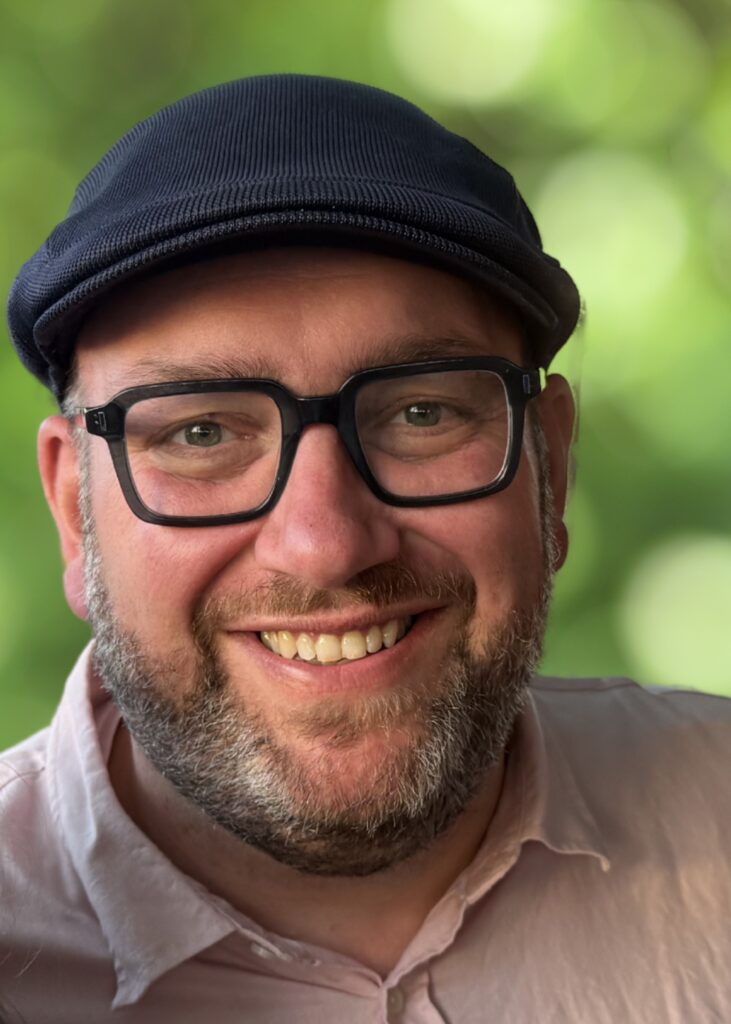
Rabbi Gersh Lazarow is the founding rabbi of Shtiebel, an independent Jewish community in Melbourne dedicated to openness, belonging, and the belief that every person should be empowered to “do Jewish their way.” His work brings together tradition, contemporary thought, and a deep commitment to helping individuals and families celebrate, learn, and live Jewishly with integrity and joy. With more than two decades of communal leadership, teaching, and pastoral work, Rabbi Lazarow is recognised for his thoughtful voice, accessible teaching, and his passion for creating spaces where people can shape meaningful Jewish lives on their own terms. As with much of his writing at Shtiebel, he shaped this piece with the help of AI as an editorial companion — a tool that helps clarify language but not intention. The spirit, teaching, and reflection remain wholly his own.