
Erev Pesach — Rabbi Gersh Lazarow
On the eve of Pesach, we set our tables.
The matzah is unpacked. The wine is chosen. There is a quiet sense that we are about to step into something ancient and familiar, and yet this year it feels different.
Tonight, we will gather around our Seder tables and declare this festival to be Zman Cherutenu, the time of our freedom. We will tell the story of our ancestors leaving Egypt and remind ourselves that the defining narrative of Jewish life is the journey from slavery to liberation.
But this year, those words do not land quite so easily.
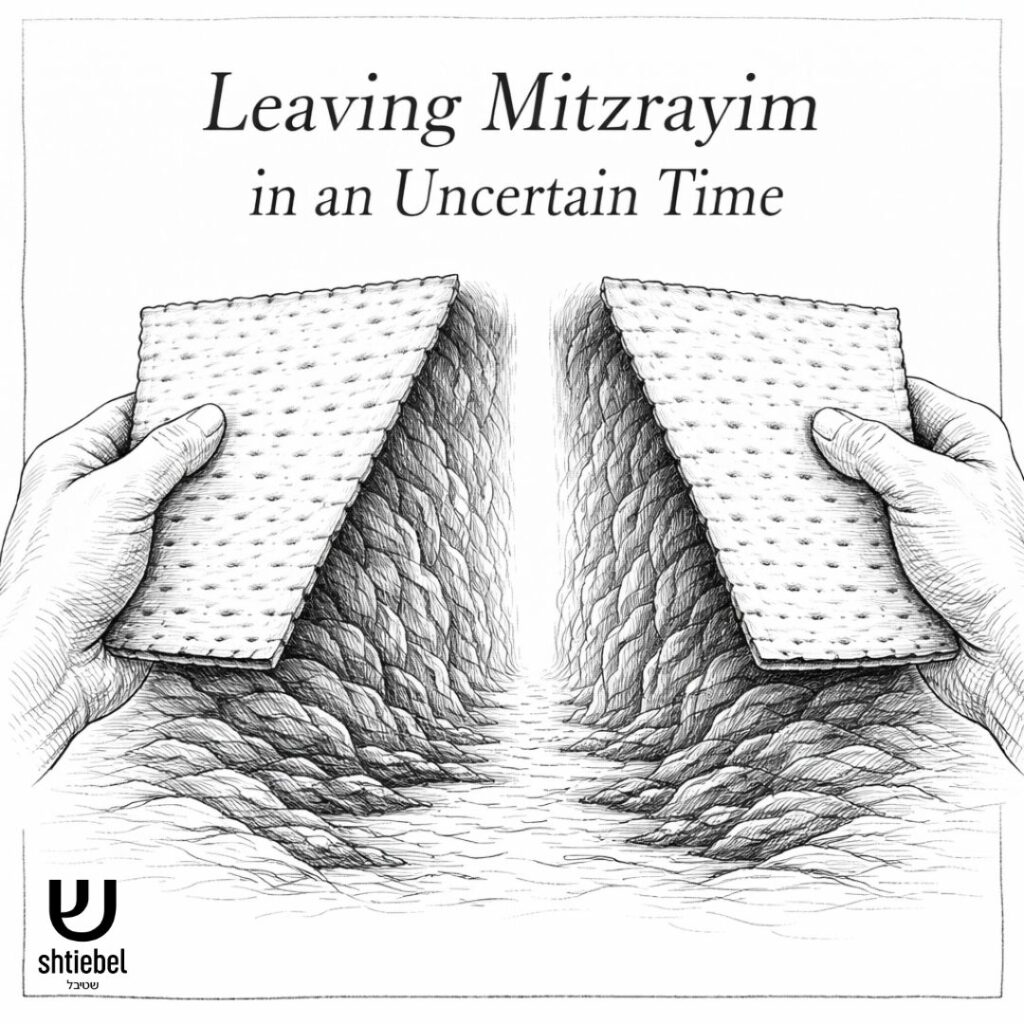
The Hebrew word for Egypt, Mitzrayim, shares its root with meitzar, a narrow place, a place of constriction. In the Torah, it names a geography, but in Jewish memory, it has always meant something more.
Mitzrayim is what it feels like when the horizon narrows.
When the future feels uncertain.
When the path forward is unclear.
Many of us recognise that feeling tonight.
Since October 7, Jewish life has felt like it is unfolding in the shadow of an ongoing earthquake. Israel stands at the epicentre, but the aftershocks are being felt across the Jewish world.
The war in Gaza.
The hostages. Now behind us, but not forgotten. Some returned alive, far too many did not. And even now, something in us does not feel free. The sense of captivity lingers.
The widening regional reality.
The daily rhythm of sirens, of families running for shelter, of lives interrupted mid-sentence.
And somehow, life resumes.
But this sense of living in a narrow moment is not confined to Israel.
Here in Australia, many in our community are still carrying the shock of Bondi and everything that followed. Conversations have been had. Reports written. Statements made. And yet beneath it all there is a quieter truth that people are only just beginning to name.
Something has shifted.
What once felt instinctive, a sense of ease and safety, now feels more fragile.
Across the ocean, attacks on synagogues serve as further reminders that Jewish life, even in its most established centres, carries a vulnerability that we cannot ignore.
And so we arrive at this night of Pesach.
A festival that asks us to celebrate freedom at a moment when many of us feel as though we are still living inside a kind of Mitzrayim.
Jewish tradition has never told a simplistic story of freedom.
The Israelites leave Egypt, but they do not arrive immediately at peace. They step into the wilderness. Into uncertainty. Into a long and unfinished process of learning what it means to be free.
Perhaps that is the deeper truth of Pesach.
Freedom has never meant the absence of fear.
It has meant refusing to allow fear to define the future.
And so, as Jews have always done, we prepare.
We gather.
We teach.
We practise the songs.
We help our children find their place in the story.
There is nothing remarkable about this.
And perhaps that is exactly what makes it remarkable.
Even when the world feels narrow, we keep moving.
Tonight, many of us will arrive at our Seders carrying more than usual.
Gratitude and worry.
Pride and exhaustion.
Hope and anxiety.
All of it will sit with us at the table.
And that is alright.
Because the story of Pesach was never meant only for those who feel certain about the future.
It belongs just as much to those who are still finding their way through the wilderness.
We call the story Yetziat Mitzrayim, the going out from Egypt.
Not simply leaving a place on a map,
but finding a way to step beyond a narrow moment.
And so tonight, we set the table.
We pour the wine.
We open the door for Eliyahu.
Because Jewish history has taught us something both stubborn and profound.
We do not wait for freedom to arrive before we prepare for it.
Image: Mitzrayim was created with the help from ChatGPT and is part of a collection of images we made in preparation for Pesach 2026
About the Author
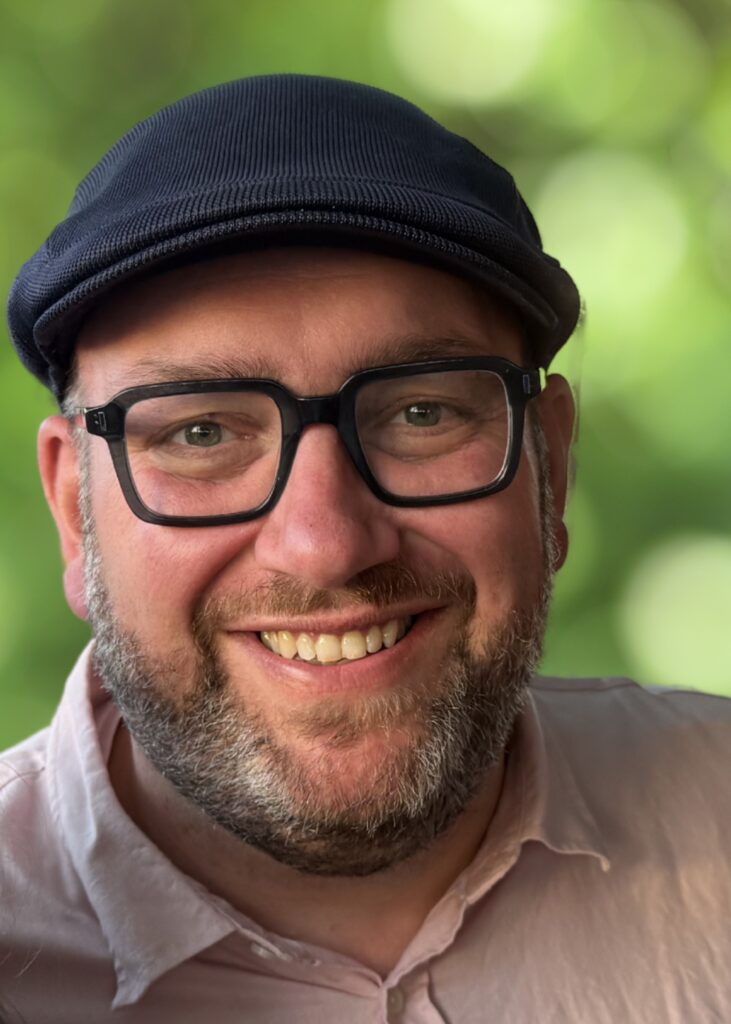
Rabbi Gersh Lazarow is the founding rabbi of Shtiebel, an independent Jewish community in Melbourne dedicated to openness, belonging, and the belief that every person should be empowered to “do Jewish their way.” His work brings together tradition, contemporary thought, and a deep commitment to helping individuals and families celebrate, learn, and live Jewishly with integrity and joy. With more than two decades of communal leadership, teaching, and pastoral work, Rabbi Lazarow is recognised for his thoughtful voice, accessible teaching, and his passion for creating spaces where people can shape meaningful Jewish lives on their own terms. As with much of his writing at Shtiebel, he shaped this piece with the help of AI as an editorial companion — a tool that helps clarify language but not intention. The spirit, teaching, and reflection remain wholly his own.