Layers of history, faith and family
A Reflection By Rabbi Gersh Lazarow
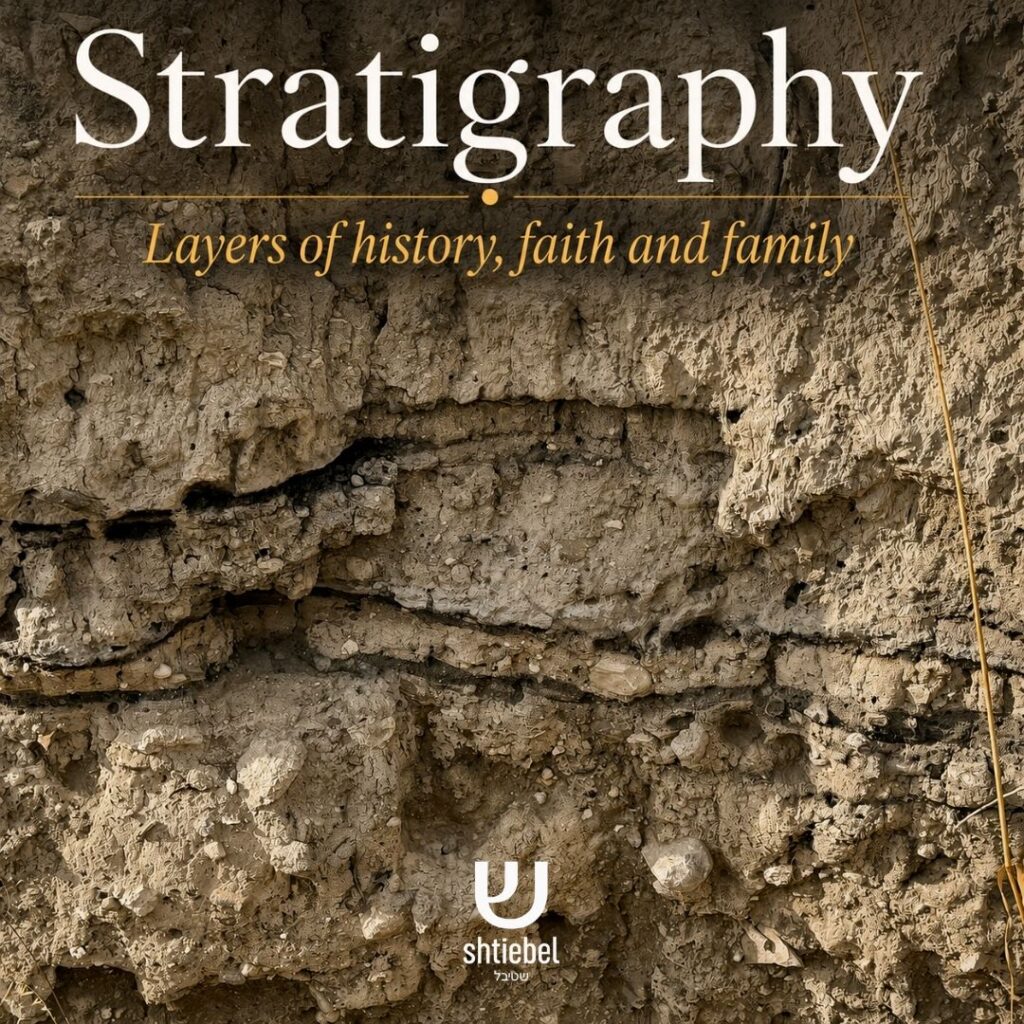
This photograph has stayed with me.
I took it while walking through the archaeological excavations at Tel Beit Shemesh with my cousin, Jeremy. As we wandered through the site, he shared some recent discoveries exploring the biblical origins of the city and the possibility that it was once a Canaanite and later Israelite cultic site.
What captivated me wasn’t a particular artefact, but the earth itself.
Layer upon layer of civilisation. Different colours. Different textures. Different materials. Communities literally built upon the remains of those who came before them. Running through them are dark bands of ash, marking moments of destruction before new life emerged once again.
It struck me that the history of this land isn’t simply preserved beneath the surface; it is revealed by it.
Standing there, I realised that this image captures almost perfectly how I have been feeling during my first week back in Israel.
Perhaps the greatest gift of this trip has been experiencing Israel through Liv. Watching her build a life here has invited me to encounter Israel differently. Not as a tourist returning to familiar places, but as a father discovering the country through the life his daughter is building. Together we’ve ventured beyond the Israel I thought I knew, visiting communities and landscapes that have invited me to slow down, look more closely, and appreciate the extraordinary depth of this place.
As I prepare to begin the Rabbinic Torah Seminar at the Shalom Hartman Institute in Jerusalem, I find myself reflecting on what it means to study Torah in the very landscape that gave birth to so much of our tradition.
I have not carried the weight that so many here have carried. I have not lived through the fear, uncertainty and grief that have shaped lives across Israel, Gaza and Lebanon over these past years, nor have I experienced the profound sense of existential vulnerability that has become part of daily life for so many. I would never presume to speak for those whose stories are theirs alone.
But even as a visitor, it is impossible not to notice that this land bears the marks of both loss and resilience.
The archaeological layers beneath my feet tell one story. The communities I have visited this week tell another. Both speak of lives interrupted, rebuilt and renewed. Alongside the scars, I cannot help but notice new growth. New homes. New neighbourhoods. New trees. New lives being planted with extraordinary hope.
For me, that feels deeply Jewish.
This land is where so much of my people’s story unfolded, and where the story of my own family is now finding a new chapter. It is where the words of Torah move from text to place, from geography to faith. Walking these hills and valleys has reminded me that Judaism has never been an abstract set of ideas. It is a living tradition anchored in a real landscape that continues to shape my understanding of God, my people and myself.
Perhaps that is why this photograph has affected me so deeply.
It reminds me that none of us begins the story. We inherit foundations we did not lay. We receive the wisdom, courage, questions and faith of those who came before us. Our task is not to erase the layers beneath us, nor to ignore the marks left by loss and destruction, but to build faithfully upon them—to leave a layer that speaks of hope, compassion, learning and life for those who will one day stand where we stand.
As I begin this next chapter of study in Jerusalem, I do so with deep gratitude, not simply for the privilege of studying Torah, but of studying it in the landscape that shaped my people’s story, continues to anchor my faith, and, through Liv, has become part of my family’s unfolding story.
Every layer tells a story. Every generation leaves its mark. My hope is that the layer my generation adds will be one worthy of those who came before us, and a blessing to those who will one day build upon it.
Image credit:
Layers is based on an original photograph taken by Rabbi Gersh Lazarow at the archaeological excavations of Tel Beit Shemesh. The accompanying title treatment and graphic design were created with the assistance of OpenAI’s ChatGPT, preserving the original photograph while enhancing it for publication.
About the Author
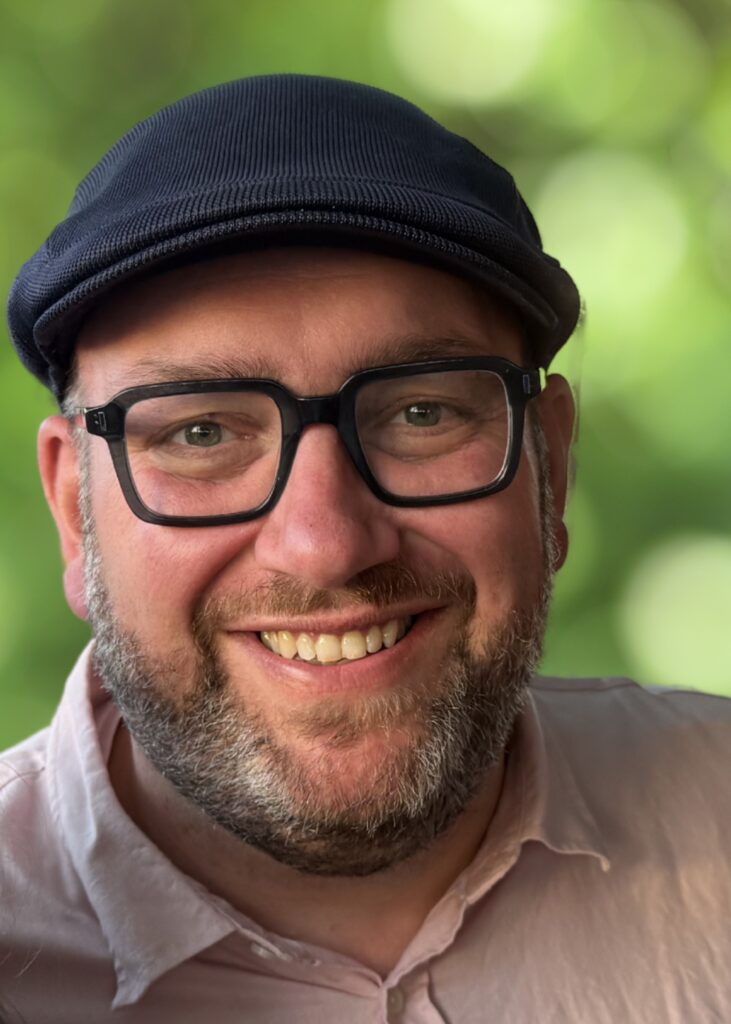
Rabbi Gersh Lazarow is the founding rabbi of Shtiebel, an independent Jewish community in Melbourne dedicated to openness, belonging, and the belief that every person should be empowered to “do Jewish their way.” His work brings together tradition, contemporary thought, and a deep commitment to helping individuals and families celebrate, learn, and live Jewishly with integrity and joy. With more than two decades of communal leadership, teaching, and pastoral work, Rabbi Lazarow is recognised for his thoughtful voice, accessible teaching, and his passion for creating spaces where people can shape meaningful Jewish lives on their own terms. As with much of his writing at Shtiebel, he shaped this piece with the help of AI as an editorial companion — a tool that helps clarify language but not intention. The spirit, teaching, and reflection remain wholly his own.