
A Reflection By Rabbi Gersh Lazarow
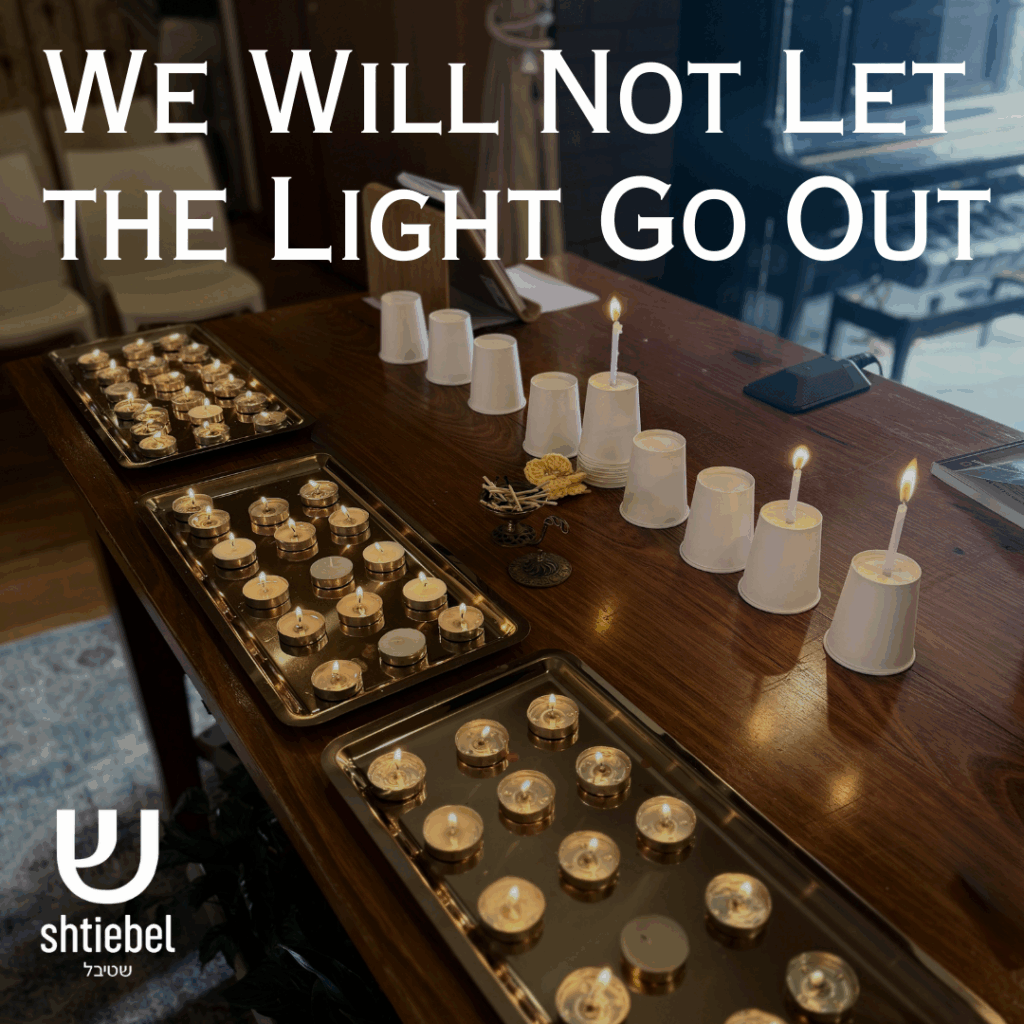
There are moments when the world fractures without warning — when violence erupts in the middle of ordinary life and leaves us stunned, angry, and grieving.
But we must be clear about what happened.
The horrific terror attack in Bondi was not random. It was not abstract violence. It was not an attack on Bondi, nor on Australia as a whole. It was an act of antisemitism at its most lethal — the consequence of a sustained and escalating rhetoric that has unfolded over years in attacks on Jewish property, Jewish institutions, Jewish communities, and Jewish presence in public life.
This is what happens when hatred is normalised.
This is what happens when antisemitism is minimised, excused, or tolerated.
Fifteen innocent lives were lost. While the impact ripples outward to families, first responders, and the broader community, the target was unmistakable.
This was violence aimed at Jews — at people who are told not only that we should not be seen, not only that we should not be heard, but that we should not exist at all.
History has trained Jews to recognise this moment. We know what it looks like when words become permission, when silence becomes complicity, when rhetoric hardens into action.
And Judaism insists that we respond.
Last night, we gathered as a community to mourn and to light Chanukah candles together — not because light undoes violence, but because this is how Jews respond to attempts to erase us.
Last night at the Shtiebel, before lighting the candles, I paused to teach. Not to explain away what had happened, and not to rush us toward comfort, but to ground the moment in the language our tradition gives us for times like this. I spoke about HaNerot Halalu — not as a song, but as an instruction: these lights are not for use, only to be seen. They exist to help us look directly at grief, at one another, and at what this moment asks of us.
The candles are not tools.
They are not functional.
They are not meant to be used.
They exist so that we might see.
To see grief without turning away.
To see one another clearly, in vulnerability.
To see what this moment demands of us.
Chanukah does not promise that light will erase pain. It promises something more honest — and more defiant: even a small flame changes the room.
And last night, it did.
As people stepped forward to add light, the space shifted. Not because fear disappeared, but because it was held. Shared. Witnessed. The act itself mattered. Lighting candles together became a declaration: we are still here, and we will respond as Jews have always responded — with presence, memory, and meaning.
The chanukiah we lit was not made of silver or stone. It was made of paper cups — simple, fragile, imperfect. We chose them deliberately.
In recent weeks, many of us have seen images that are impossible to forget — six Israeli hostages held in captivity in the tunnels beneath Gaza, imprisoned by Hamas and the cult of death they represent. In a place designed to erase humanity, even before they were tragically executed, they chose something else.
They honoured tradition.
They brought light into the world.
With improvised candles and makeshift holders, in darkness meant to crush the spirit, they performed an act that was neither grand nor loud, but profoundly defiant. It was a refusal to surrender meaning. A declaration that even there — especially there — Jewish life would not be extinguished.
That image teaches something Chanukah has always known: holiness does not wait for safety or dignity to be restored. Jewish light has survived in hiding, in exile, in fear, and in loss — held in trembling hands, in temporary vessels, in moments when tomorrow was uncertain.
Paper cups will not last. They bend. They weaken. They disappear.
Human vessels are no less fragile. We are vulnerable to time, to violence, and to forces beyond our control.
But Jewish hope does not disappear.
Chanukah teaches that the value of a flame is not measured by the strength of what holds it, but by the courage to light it — again and again — even when conditions are temporary, even when the future is uncertain.
Last night, we brought light into the room — publicly, unapologetically, and in defiance. Not as denial. Not as bravado. But as a statement of existence.
Now Chanukah asks more of us.
To keep lighting.
To keep being seen.
To keep bringing light into the world — in our homes, in our words, and in our refusal to disappear.
This Friday night at the Shtiebel, we will gather again for Lights & Latkes. We will move deliberately from grief to joy — not because joy forgets pain, but because it refuses to let hatred have the final word.
We will not let the light go out.
About the Author
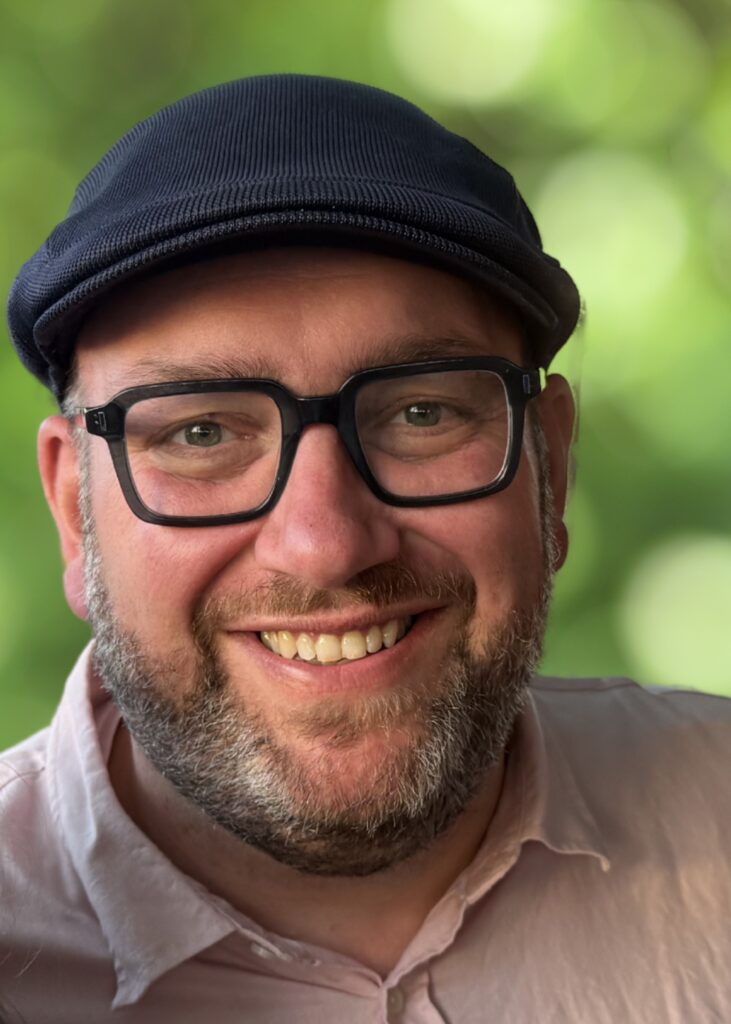
Rabbi Gersh Lazarow is the founding rabbi of Shtiebel, an independent Jewish community in Melbourne dedicated to openness, belonging, and the belief that every person should be empowered to “do Jewish their way.” His work brings together tradition, contemporary thought, and a deep commitment to helping individuals and families celebrate, learn, and live Jewishly with integrity and joy. With more than two decades of communal leadership, teaching, and pastoral work, Rabbi Lazarow is recognised for his thoughtful voice, accessible teaching, and his passion for creating spaces where people can shape meaningful Jewish lives on their own terms. As with much of his writing at Shtiebel, he shaped this piece with the help of AI as an editorial companion — a tool that helps clarify language but not intention. The spirit, teaching, and reflection remain wholly his own.